E-SMART says its technology has reduced bridge strikes for 2 major carriers
By John Worthen – March 25, 2024
Dynamic speed management provider ESMART on Monday shared performance results of low bridge collision prevention technology at the Truckload Carriers Associations’ 2024 conference in Nashville.
According to the company, two leading carriers are reporting a 100% reduction in bridge strikes.
“With all bridges in North America that are under 13-ft 6 inches geofenced in our system, we are helping US and Canadian fleets tackle the issue of bridge strikes,” said Joe Thell, senior vice president at ESMART. The results from carriers prove the effectiveness of using the ESMART Dynamic Speed Management technology to solve an urgent problem. The savings from eliminating bridge strikes by identifying low clearance bridges and providing real-time alerts to drivers are adding up quickly.”
Among the growing number of fleets adopting ESMART low bridge collision prevention solution, Arnold Transportation Services and Navajo Express have reported bridge strike incident reductions and cost savings directly attributable to ESMART technology, according to a news release.
Arnold Transportation Services
After experiencing bridge strikes costing about $6,000 each, Arnold Transportation Services has had a 100% reduction in low bridge collision events since installing the ESMART solution across its entire fleet.
Navajo Express
Prior to using ESMART, Navajo Express experienced an average of six bridge strikes per year at an average cost of $18,277. After installing ESMART three years ago, the company has had a 100% reduction in low bridge collisions resulting in an overall savings of $328,986.
“Arnold Transportation Services and Navajo Express results are two of our early customers,” Thell said. “Those results are not unique. Another new customer had eight bridge strikes at an average cost of $30,000 per incident in one year. The fleet installed ESMART in test vehicles and immediately saw events where the solution prevented the driver from hitting a bridge.”
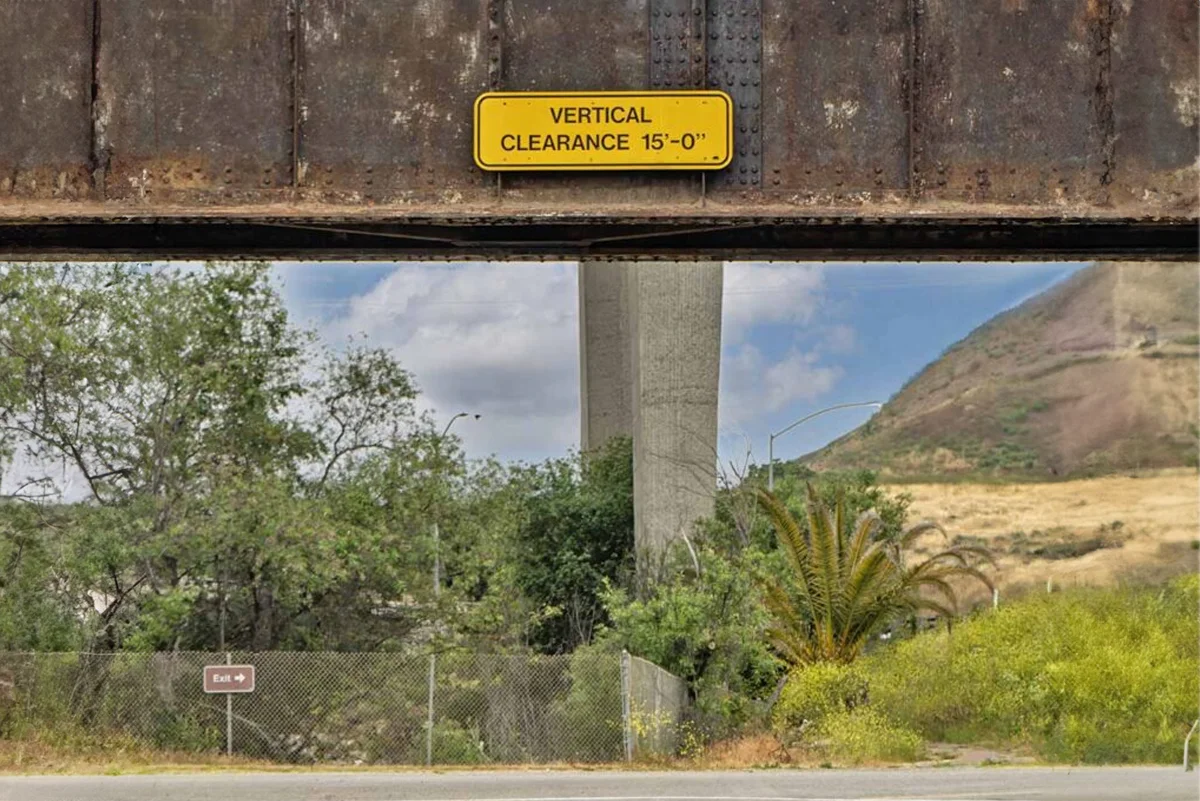
ESMART low bridge collision prevention technology uses geofenced data on all bridges in North America and GPS to identify when a tractor is on a road with a bridge that is under 13 feet, 6 inches.
When a vehicle is within 750 feet of a low bridge, the system sends a voice alert to the driver through partner ELD providers, alerts the fleet manager and limits the throttle to idle, giving the driver the option to coast to a stop or divert off the road.
If the driver continues to within 250 feet of a low bridge, the throttle is disabled (brakes are not applied under any scenario).
“While we are thrilled to share these results, we also understand that not every bridge strike is preventable by ESMART,” Thell said. “For example, if the bridge is at the bottom of a hill, ESMART prevents drivers from using the throttle while driving close to the bridge, but the driver would need to apply the brakes to stop the truck.”
In all low bridge mitigation events, the driver is contacted and assisted with a safe route to exit the area. The ESMART customer portal also allows fleets to customize alerts and monitor low clearance bridge events in real time.